Introduction
In a globe where emergency situations can strike at any moment, the capacity to respond properly can indicate the difference in between life and death. For numerous, the thought of running into a medical emergency produces feelings of anxiousness and unpredictability. Nevertheless, I found that registering in a first help course transformed my viewpoint entirely. This article narrates my personal trip of structure confidence with first aid training, concentrating on how finding out abilities such as mouth-to-mouth resuscitation not only equipped me to manage emergency situations yet likewise instilled a newfound feeling of self-assurance.
Understanding the Value of Emergency Treatment Training
Why Is First Aid Essential?
First help is commonly the first reaction to a clinical emergency prior to specialist assistance gets here. It incorporates various methods focused on protecting life, preventing degeneration, and promoting healing. Yet why should everyone think about taking a first aid and CPR course?
Immediate Response: In situations like cardiac arrest, every 2nd counts. Recognizing CPR can conserve lives. Empowerment: The understanding obtained from emergency treatment training empowers individuals to act with confidence throughout emergencies. Community Security: Educated people can add positively to their neighborhoods by supplying prompt assistance.My Initial Hesitation
When I initially considered signing up in a CPR course, I felt hesitant. Could I truly take care of the gravity of real-life emergency situations? Suppose I made blunders? These inquiries afflicted my mind, but they likewise encouraged me to seek responses through training.

The Initial step: Register in an Emergency Treatment Course
Choosing the Right Course
Selecting a proper first aid course is essential for acquiring pertinent abilities. Right here's what you should think about:
- Certification: Ensure the course provides an identified certification upon completion. Curriculum: Testimonial subjects covered-- from standard first aid to sophisticated CPR techniques. Instructor Certifications: Look for skilled teachers with trustworthy backgrounds.
I eventually selected a reliable company offering thorough training that included both theoretical knowledge and functional sessions.
Preparing for Class
As I prepared for my extraordinary, I experienced mixed feelings. Excitement danced with uneasiness as I contemplated what lay ahead.
Gathering Materials: I put together required materials like notebooks and pens but likewise left room for an open mind. Setting Objectives: My main goal was straightforward: finish the training course feeling positive in my abilities.The Course Experience: Knowing Life-Saving Skills
Engaging Theory Sessions
The preliminary days were spent engaged in engaging theoretical discussions about emergency situation procedures and human composition pertaining to first aid practices.
Key Topics Covered:
- Basic Life Assistance (BLS) How to utilize an Automated External Defibrillator (AED) Responding to choking incidents Recognizing indicators of stroke or heart attack
These sessions laid the groundwork for recognizing what we would later on exercise hands-on.
Practical Hands-On Training
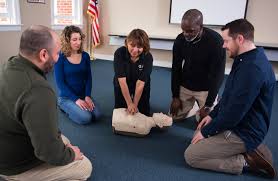
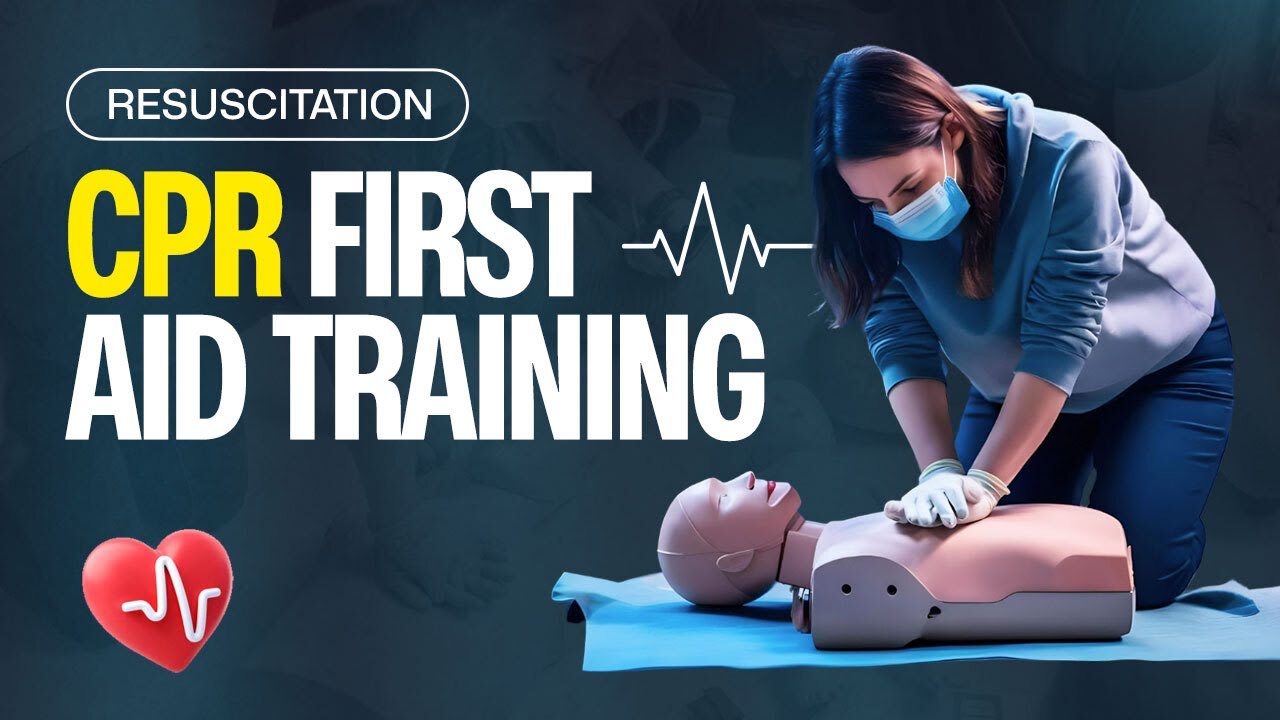
Nothing contrasted to the rush of exercising mouth-to-mouth resuscitation techniques on manikins or simulating emergency circumstances with classmates.
Learning Compression Techniques: With every push, my self-confidence grew as I mastered breast compressions. Using AEDs: The instructor demonstrated exactly how easy it is to utilize automatic defibrillators, reinforcing that any person can tip up in emergencies with proper training.Building Confidence Through Real-Life Scenarios
Simulation Drills: Facing Fears Head-On
One of one of the most impactful aspects of my training included substitute drills made to simulate real-life emergency situations. Exactly how did these experiences shape my confidence?
Types of Drills:
- Responding to unconscious individuals Managing bleeding wounds Handling allergic reactions
During these drills, I commonly really felt nervous yet invigorated since every scenario compelled me out of my convenience area while providing invaluable feedback from trainers and peers alike.
Overcoming Stress and anxiety and Doubt
Initially bewildered by uncertainty and anxiety, each effective drill chipped away at those sensations:
Positive Support: Support from instructors helped me recognize my potential. Peer Support: Sharing experiences with classmates cultivated friendship that reduced anxieties about failure.Certification Day: A Landmark Achieved
Preparing for the Last Assessment
As we came close to accreditation day for our first help certificate, anticipation brewed within me-- what if I really did not pass? In reality, nerves were part of the process; they suggested just how much this suggested to me!
Study Tips:
- Review notes thoroughly Practice abilities repeatedly Engage in group study sessions for support
With preparation behind me, it was time for evaluation day-- a blend of created tests and functional demonstrations waited for us.
Celebrating Success
I keep in mind standing happy First Aid Course Hobart after receiving my emergency treatment certification-- an acknowledgment not simply of passing however of development! That minute strengthened both skills in managing emergency situations and idea in myself.
Applying Abilities Past Training: Real-Life Applications
Volunteering Opportunities
After completing my training, I looked for ways to apply what I would certainly learned by volunteering with regional organizations concentrated on area health initiatives.
Participating in health and wellness fairs permitted me sufficient chances to show fundamental first-aid skills. Collaborating with skilled volunteers better improved my self-confidence as we tackled various circumstances together.Family Events: Being Prepared
Whether it was family members events or outdoor adventures, having knowledge concerning first aid came to be critical in making certain safety and security amongst enjoyed ones:
Educating member of the family regarding recognizing indications of distress boosted collective preparedness. Using skills learned throughout training gave me tranquility understanding that we might manage small injuries successfully if needed.Reflections on Building Confidence Via Emergency Treatment Training
Personal Growth Journey
Engaging in this trip has been transformative! The shift from unpredictability about handling emergency situations transformed into assuredness fueled by knowledge and practical experience required when faced with situations head-on!
FAQs About Emergency treatment Training
What is included in a typical emergency treatment course? A conventional first help course commonly covers topics such as basic life assistance (BLS), mouth-to-mouth resuscitation strategies, wound management, and reacting suitably throughout various emergency situations like choking or allergic reactions.
How long does it take to finish a mouth-to-mouth resuscitation course? A lot of CPR courses range from 4 hours approximately 8 hours depending on whether they're basic or innovative certifications; some might offer sped up classes too!
Is certification needed for all jobs entailing very first aid? While not every job mandates official qualification such as obtaining a first aid certificate, numerous industries-- consisting of health care-- prefer experienced employees that have legitimate qualifications due to responsibility concerns.
Can anyone take an emergency treatment and mouth-to-mouth resuscitation course? Absolutely! Individuals aged 12 years or older are generally urged to sign up no matter prior experience-- every person gain from being prepared!
How typically ought to one renew their first-aid certification? Certifications generally require revival every two years; however, some companies advise annual refresher courses based upon skill retention degrees observed over time!
What are some common misconceptions concerning performing CPR? A prevalent misconception recommends "only trained experts ought to carry out CPR." In reality however-- nonprofessionals trained with licensed programs are equipped & & encouraged engage instantly up until assistance arrives!
Conclusion
Reflecting upon this entire journey encapsulated within "Building Confidence Via First Aid Training: A Personal Trip," it's clear that involving with this important ability has far-ranging ramifications beyond just conserving lives-- it fosters resilience amid uncertainty while cultivating empathy in the direction of others encountering difficulties themselves! If you're contemplating launching your very own path towards coming to be certified-- do not hesitate! Study finding out today-- you might just discover on your own stunned at exactly how capable you absolutely are!